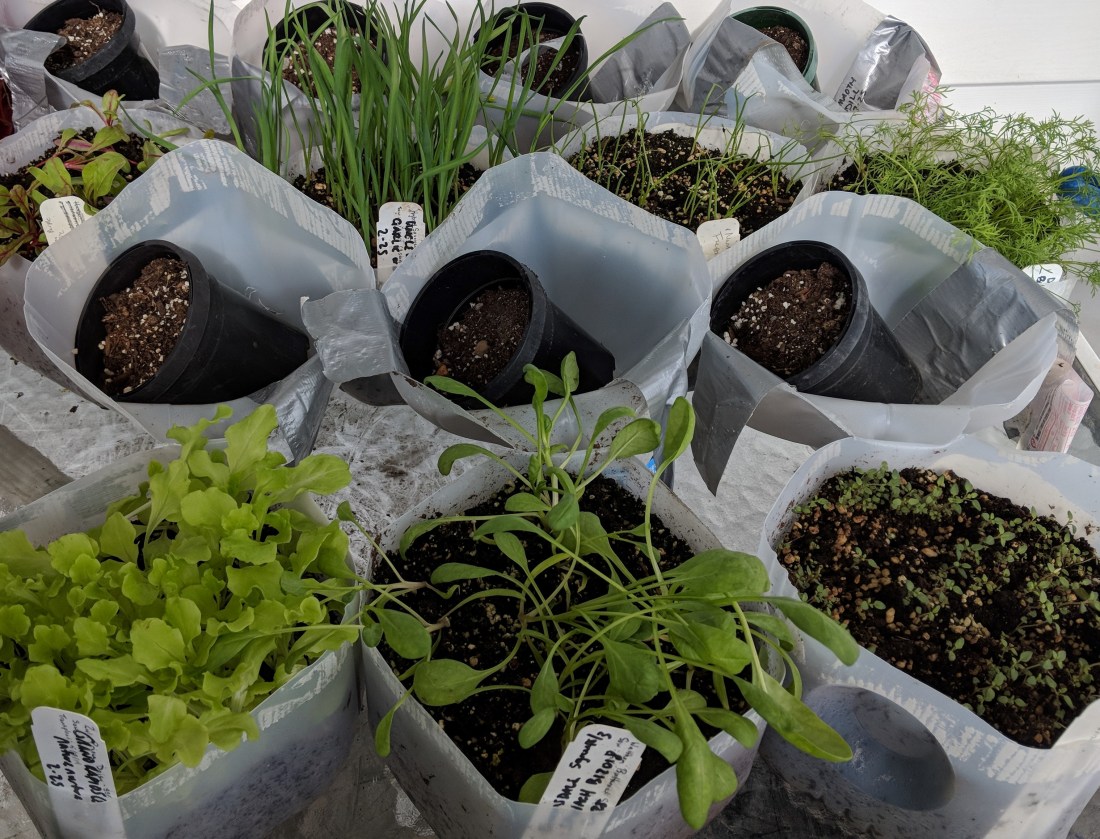
What is a weary Minnesotan to do when there’s not enough snow for skiing and sledding but spring is still a distant glimmer? Perhaps start a native pollinator garden?
Though it may not seem intuitive, winter is actually a great time to begin sowing seeds for native perennial grasses and flowers. In fact, these seeds actually require cold temperatures and moisture to break-down their seed coats and germinate in the spring. Grab a few empty plastic milk jugs and some seeds, and you’ll be well on your way to a beautiful spring garden.

To begin, cut a milk jug in half and poke drainage holes in the bottom. Add 3-4 inches of soil and lightly water. Plant your seeds and then tape the top of the container back onto the bottom. Leave the cap off and be sure to label your container with a waterproof marker so you remember what you planted. Place the container outside and wait!
In the spring, wait until the seedlings produce at least two sets of true leaves to transfer them into individual planting pots. After they grow a bit more and the roots develop, they will be ready to transplant into your garden.
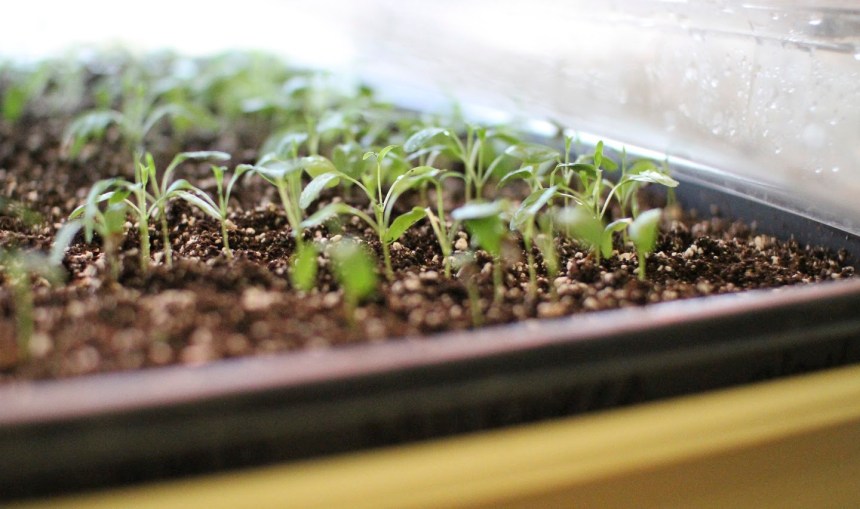
Now that you’re ready to begin sowing seeds, which species should you plant and where can you find native seeds? To pique your interest, allow me to introduce four native flowers in a variety of colors and bloom times.
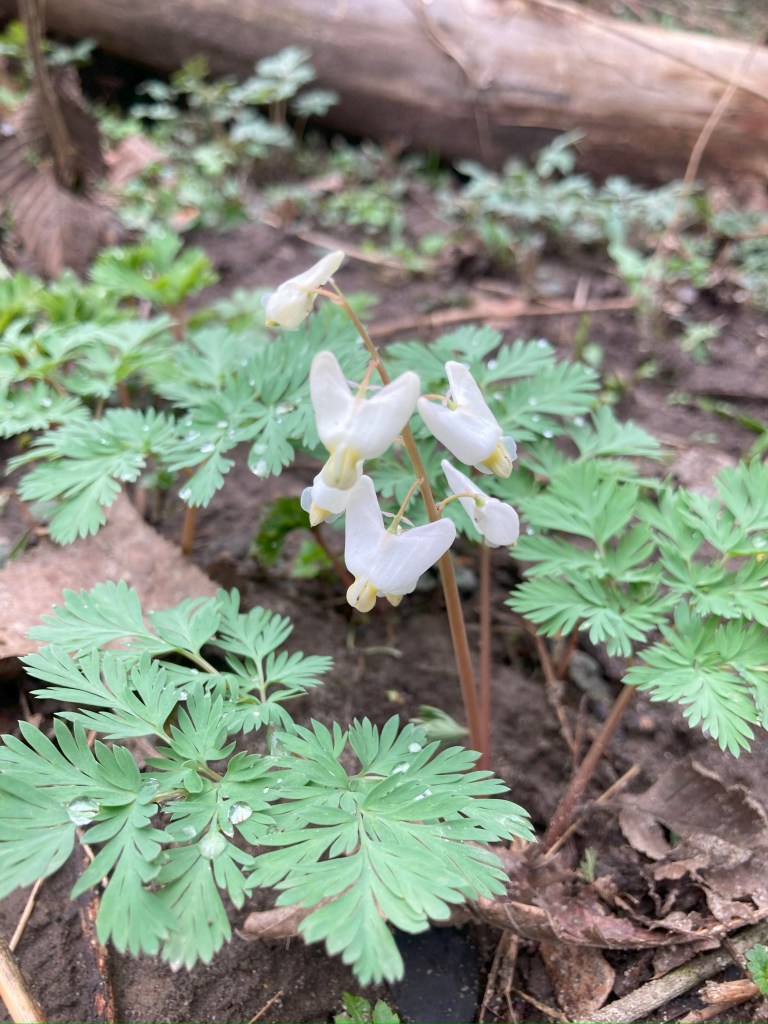
Dutchman’s breeches bloom very early in the spring (usually April) and have white flowers that look like little pairs of billowy pants. These are a nice addition to a shade garden, but only if you have moist, well-drained soils, typical of a rich, humus woodland. They grow well with other native woodland plants, such as sharp-lobed hepatica, trout lily, bloodroot, wild ginger, lady fern, maidenhair fern, bellwort and false Solomon’s seal. Dutchman’s breeches begin to bloom at the same time that queen bumblebees are emerging from overwintering, making them an important early source of nectar. You may be surprised to learn, however, that the seeds of these and other woodland ephemeral wildflowers are actually dispersed by ants.
Because Dutchman’s breeches produce a limited number of seeds that are difficult to collect, they are more expensive than many other species. They also have to go through a “double dormancy,” which means they actually aren’t well-suited for winter sowing. Instead, plant them outdoors in the spring and wait for them to germinate next year in 2025. Some nurseries also sell these as bare-root plants early in the spring, but please never dig them up and transplant them from the wild!
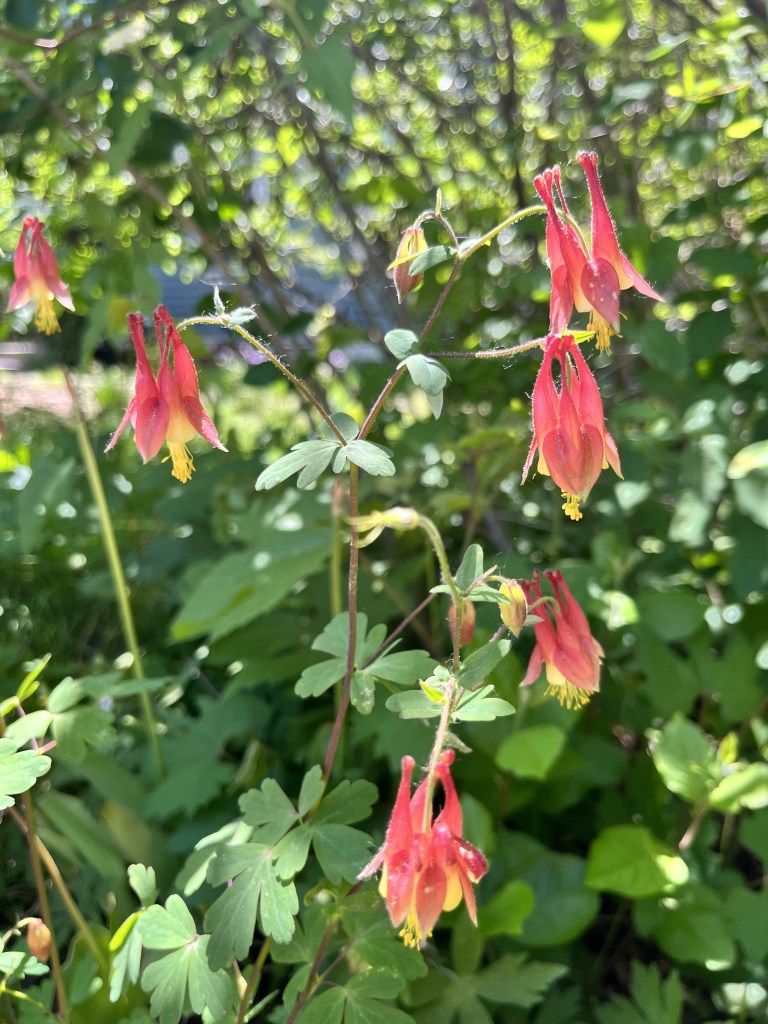
Another great shade plant is wild columbine, which has beautiful red flowers that begin to bloom in May, around the time that ruby-throated hummingbirds return from their winter migration. Columbine also provides nectar for bumblebees and sweat bees. Try planting them on woodland edges and in dry, sandy soils with pussytoes, prairie smoke, or wild lupine.

Purple prairie clover blooms in June and July and is a beautiful addition to a sunny garden. The flowers attract numerous species of bees and grow well with butterfly milkweed, fragrant hyssop, wild petunia, wild prairie onion, spotted bee balm, and false sunflower. Purple prairie clover is slow to develop, but after settling in, is a tough, low-maintenance garden plant that tolerates summer drought and seldom needs dividing. Its only real downside is that it looks so feeble in the spring that gardeners often weed it out by accident.

Finally, for late summer and fall blooms, consider planting stiff goldenrod in sunny gardens. Unlike the more common Canada goldenrod, this plant is not aggressive and won’t spread rapidly. The flowers attract a wide array of bees and butterflies, as well as predator insects like soldier beetles and hoverflies that help to keep your garden ecosystem in balance. Stiff goldenrod grows to be about 5-feet tall and does well in prairies and native gardens with companions such as little bluestem, aster, and rough blazingstar.
The Blue Thumb – Planting for Clean Water program offers a wealth of information on gardening with native plants, including sample garden designs, a plant finder tool, and online learning modules: www.BlueThumb.org. You can also go to www.mnwcd.org/planting-for-clean-water to find a downloadable list of native plant nurseries and landscapers, as well as short videos about gardening with native plants, and links to upcoming workshops.
If you’d like advice and moral support when trying out winter seed sowing for the first time, the Washington County Master Gardeners will host a free workshop at the Hardwood Creek Library in Forest Lake on Saturday, Feb. 13, 1:30-3pm. Soil and seeds will be provided. Register online.

 East Metro Water